Category: Articles
-
This paper delves into the existential core of Ali Shariati’s thought, exploring his concept of the revolutionary intellectual as fundamentally rooted in an ontological understanding of man. Shariati, drawing from both Islamic tradition and existentialist philosophy, posits man as a being defined by a perpetual struggle between earthly immersion and transcendent aspiration. Emphasizing man’s inherent…
-
Is it possible to critique secularism in a thoroughly secular age? Is it possible to invoke the divine while dwelling within the “immanent frame”—i.e., the modern view that everything in our world can be understood without reference to any external, transcendent order? I want to suggest, in this essay, that we can critique secularism in…
-
فَفِرُّوٓا۟ إِلَى ٱللَّهِ “…Flee, therefore, to Allah…” Tawhīd entails the affirmation of the absolute oneness and uniqueness of God, the absolute, necessary creator whose act of perpetual creation generates and sustains all that is in the world, all of which is contingent and subordinate to His command. In this most basic theistic paradigm is a powerful…
-
The long-standing and late Tunisian President Habib Bourguiba, who reigned over Tunisia for almost three decades, represents but one of the encroachments of the modern liberal order in the Muslim world. In the year 1960, as part of an ongoing secularisation effort, Habib Bourguiba declared that fasting in Ramaḍān hampered economic productivity and asked Muhammad…
-
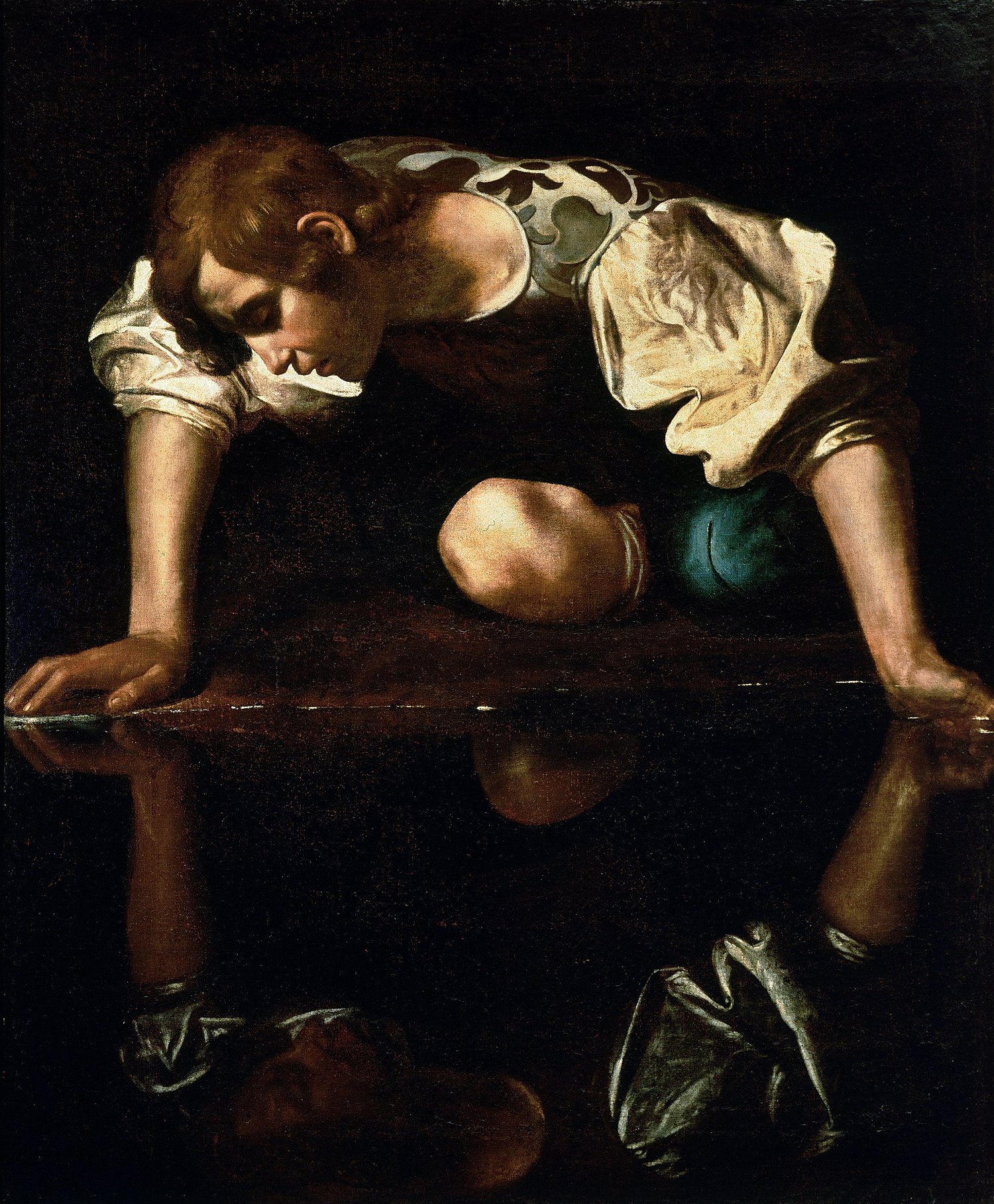
In this essay I want to reflect on reflection. In our age, the primordial desire to reflect has been replaced with a wanton desire to consume; God has been replaced with an egotistical “I” whose raison d’être is consumption. The world is left bereft of the grandeur of God, animated only by the mana of…
-
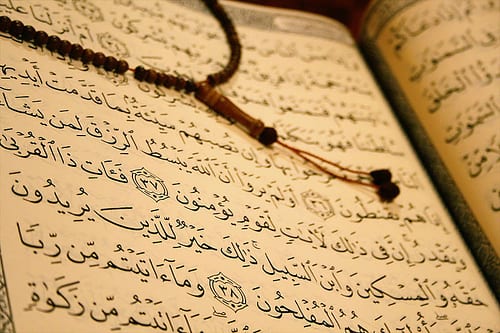
Who is sovereign? This is not a purely speculative or theoretical question. It has concrete implications on questions of governance and state. It is, in an age of the fetishization of the state, a subversive question. In this article, I begin with an excursion into our present state of affairs, in relation to the fetishized modern…
-
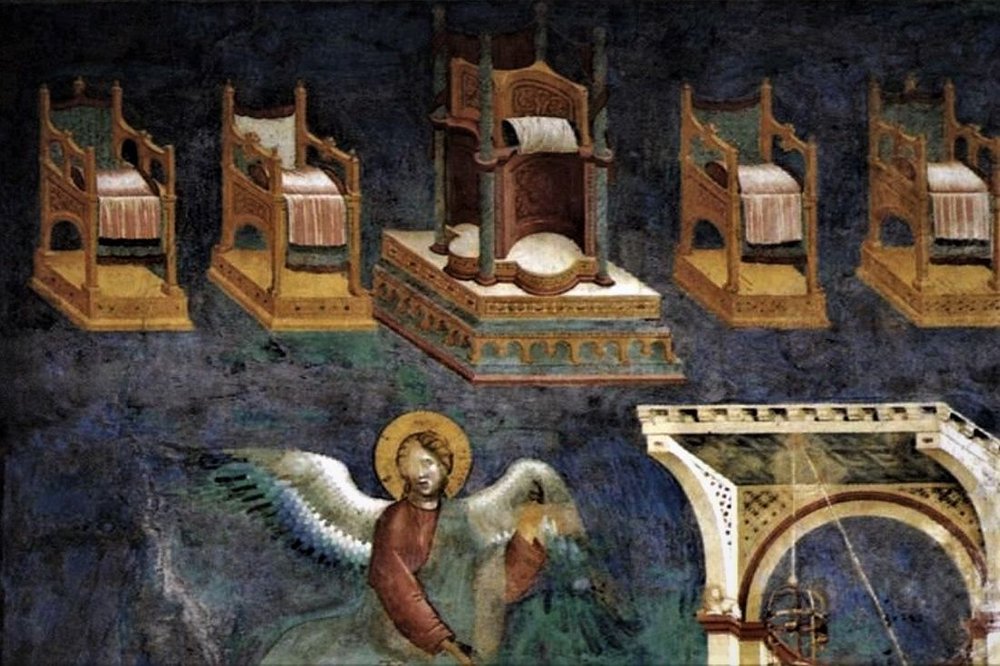
For most practitioners, political theology is a vocation, a calling that illuminates our lived reality. It is, as Sheldon Wolin says of political theory, not only about the polity but for the polity. Political theology investigates the ways in which our theological concepts inform our collective existence and political experiences. As with Wolin’s vision of…
-
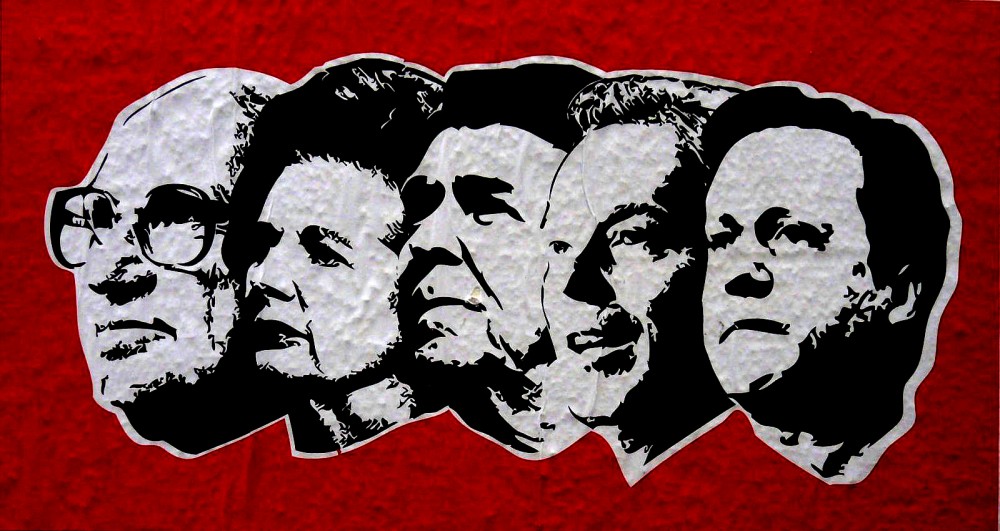
The Muslim Umma is akin to a living organism; it is exposed to an environment and possesses its own genetic code. This genetic code represents the Umma’s field of possibilities––a series of unrealized choices capable of transforming the possible and potential into the real and actual.1 This field of possibilities, however, is delimited by power, or the selection of one…
-

Postcolonial and decolonial paradigms are often seen as purely academic enterprises. But these paradigms in fact address concrete questions about how we can conceive of (and ultimately achieve) liberation from the throes of colonial modernity. Such projects are philosophically demanding: they require a critical self-examination of the ability of our narratives to adequately critique colonial…
-
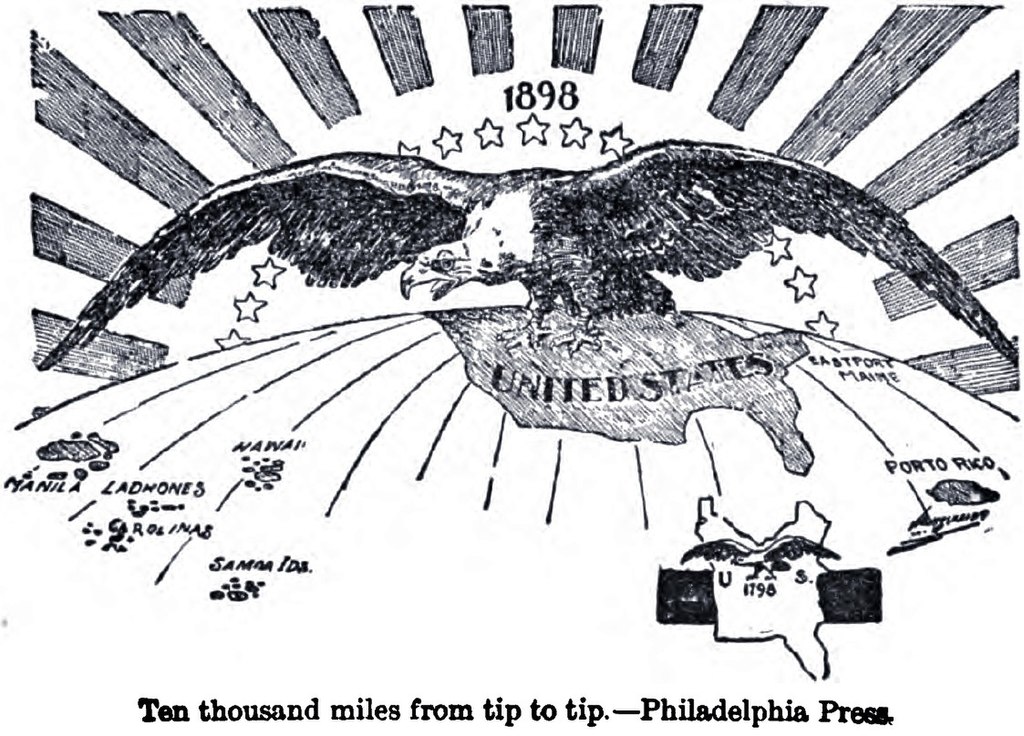
It is imperative that we come to terms with an increasingly glaring fact: the idea of America is dead. America as a global archetype of leadership is in decline. America’s crisis is not geopolitical but existential. The images of militarized police firing tear gas canisters evoke the image of power as violence. That is, without…